March 11, 2021 – Fadada, a leading e-signature and cloud contract service provider in China, announced today that the company has completed D-round financing of RMB 900 million from Tencent, Centurium Capital and ZWC Partners.
Mr. Xiang Huang, Founder and CEO of Fadada, commented, “With a primary focus on e-signature application and e-contract signing solutions, we are a leader in technology and product innovation. We will continue to expand our partnership network to promote scalable cloud contract signing applications in all industry verticals and deliver value for our customers and clients.”
Fadada offers a full suite of e-signature products including one-stop SaaS products, open API solutions for corporate IT and ERP systems, as well as hybrid cloud solutions for local hosting of electronic contracts and process management.
Fadada is a pioneer in legal technology innovation. It was the earliest provider of block-chain based e-signature product with enhanced security features and credibility. It pioneered in building an industry-leading e-contract management system, which significantly improved the efficiency of the legal process involved in contract signing. It was the first to enable online data sharing and connection with judiciary bodies, including online arbitration institutions, online courtroom, notary offices and forensic evaluation centers, providing one of the most complete technology solutions for online dispute resolutions in China.
Nick Tao, Executive Director of Centurium Capital, commented, “E-contract and e-signature will play a more and more important role in the infrastructure of corporate activities in the future. We have witnessed and are deeply impressed by Fadada’s continuous evolvement and growth under its CEO Xiang Huang’s leadership. We look forward to partnering with the company and supporting its growth, as the company expands further its industry network and pushes wider applications in different sectors.”
The Covid-19 pandemic has served as a catalyst for e-signature adoption in China and globally. At the outset of the Covid-19 outbreak, the daily average number of registered new users of Fadada was eight times of the same period in 2019, with peak number surpassed nearly 20 times year-over-year. Responding quickly to spiking customer demand since early 2020, Fadada worked closely with Tencent and introduced a number of light mobile e-signature applications on Wechat Mini-applications, Enterprise Wechat and Tencent Qidian, a marketing SaaS platform by Tencent.
March 1, 2021 – Iluvatar Corex (“Iluvatar” or “the Company”), a leading graphics processing units for general-purpose computing (GPGPU) developer in China, today announced that the Company has completed C-round financing of RMB1.2 billion. The financing was jointly led by Centurium Capital and Cedarlake Capital, and participated by Gortune Investment and China Unicom Innovation Investment. The financing is expected to facilitate the Company to enhance its research capabilities of its core products and accelerate the commercialization to empower more customers in multiple sectors.
Centurium first invested in Iluvator in 2019 through the Company’s B round financing.
GPU is the mainstream solution for powering artificial intelligence computation in areas like autonomous driving, finance, education, and healthcare. GPU chips, which can satisfy general graphics and high-performance computing, are deemed to represent the height of chip technology.
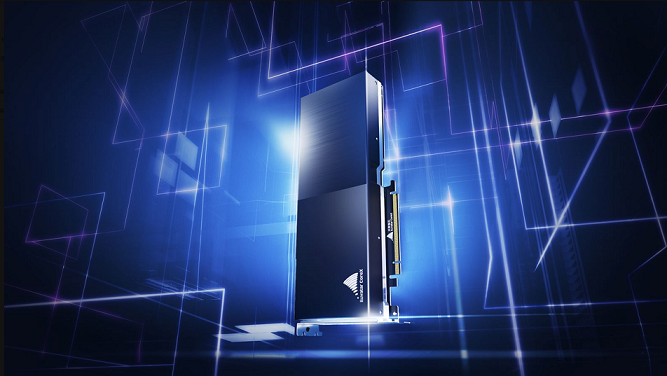
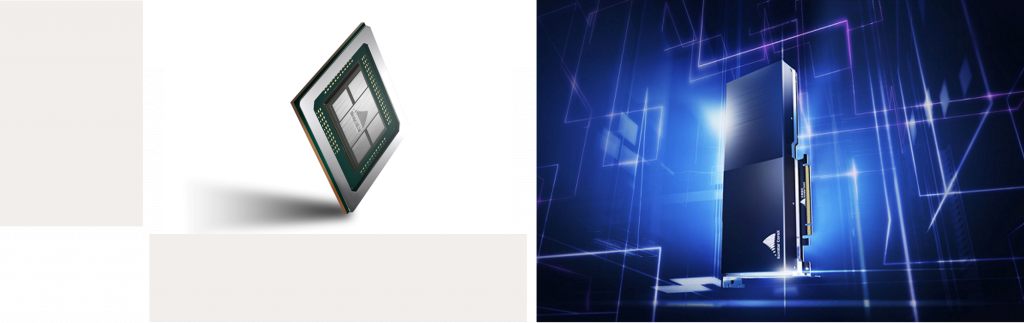
Illuvatar, headquartered in Shanghai, is the only company in China that has chip products under the GPU architecture. The company initiated the 7-nanometer cloud computing GPGPU chip in 2018 and was taped out in May 2020, and its usability was proved last December.
The flagship GPGPU product, BI, provides more flexible programming ability and stronger performance at a lower cost than competing mainstream offerings.
Charles Lin, Executive Director of Centurium Capital, commented, “We strongly believe the huge prospects of China’s semi-conductor industry and are very impressed by the technical strengths of Iluvator CoreX. In the past two years, we have witnessed the company’s journey of every step of BI’s development, and pleased with the recent research and product breakthrough. We look forward to accompanying and supporting the Company’s continuous advancement on its path of commercialization and mass production.”
ANE Logistics, China’s leading less-than-truckload (LTL) logistics service platform, today announced that it has received approximately US$300 million financing. The financing is led by CPE and participated by Great Bay Area Fund, NWS Holdings (0659.HK), Liumai Capital and Huagai Capital.
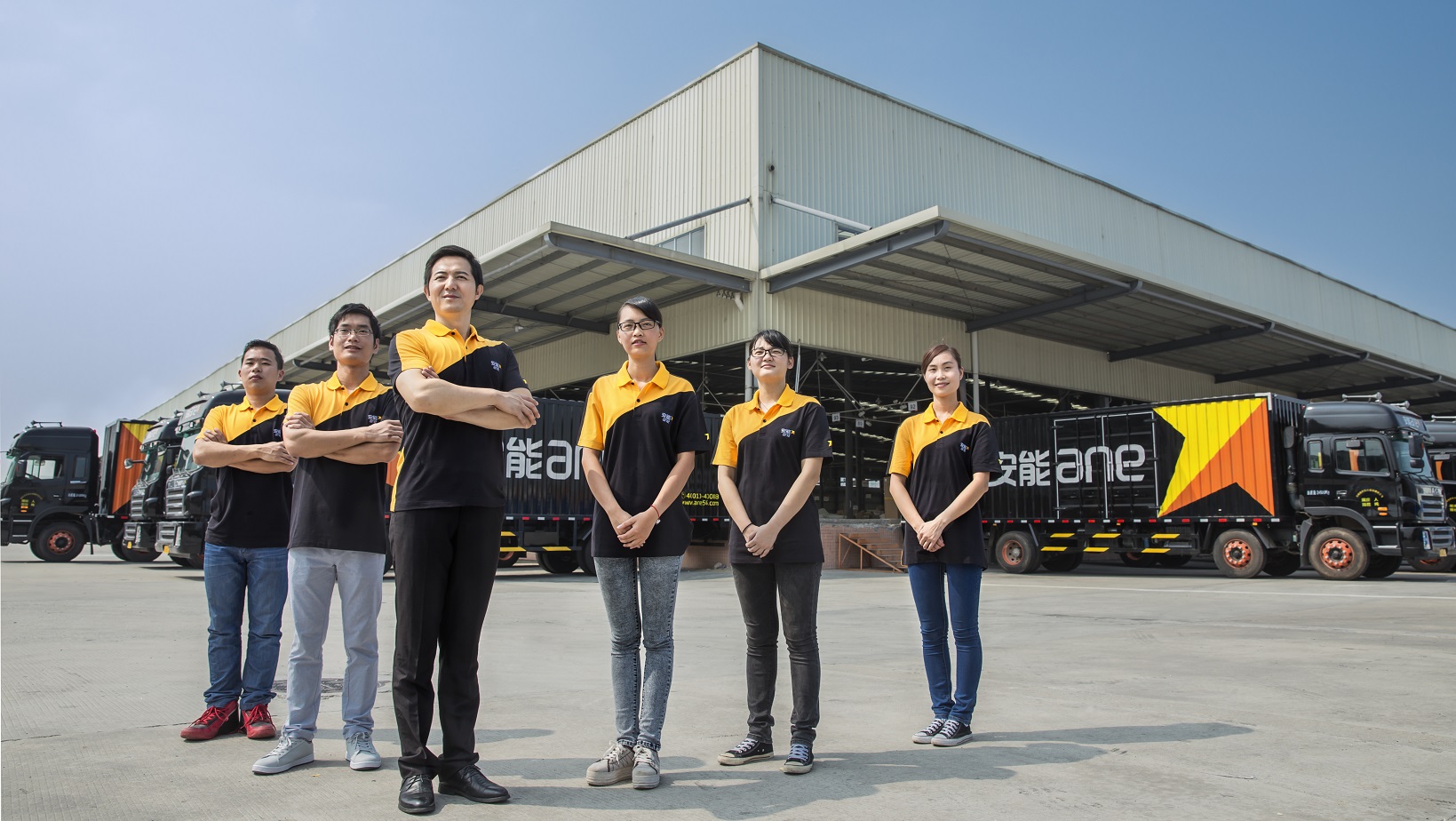
Since its inception 10 years ago, ANE Logistics has become a leading and well-regarded LTL logistics player through consolidating the LTL truck transportation industry and building the truck transportation partnership platform. So far, the daily peak truckload handled by ANE has surpassed 50,000 tons, with over 26,000 partner outlets and agents covering 96% of the townships in China. The successful financing demonstrates the strong confidence by the capital market in the LTL sector and leading logistics network players.
Jeff Wang, Chairman of ANE Logistics, commented: “The logistics network is an important pillar supporting the development of China’s internet-driven C2M manufacturing industry and flattened supply chain, as well as part of the infrastructure for the manufacturing and logistics sectors. ANE will leverage this financing to invest in the upgrade of the digital capabilities and acceleration of China’s logistics sector.”
Centurium Capital invested in ANE in January 2020 and is its second largest shareholder in the company. Michael Chen, Managing Director of Centurium Capital, commented, “Congratulations to ANE for the closing of this new round of financing from CPE and other investors, which we believe will further expand the company’s leadership position. We continue to be confident of the huge potential of China’s logistics sector and ANE’s unique proposition. Despite challenges in 2020, the company has sustained its growth momentum through market consolidation to build its platform, providing the best solutions to its customers.”
January 26, 2021 — YXT (Yunxuetang), a leading corporate training SaaS and services provider in China, today announced the closing of E1 round of financing led by Tencent.
YXT’s existing investors include Centurium Capital, YF Capital and Himalaya Capital. So far, YXT has raised a total of US$300 million funding since its founding.
Teng Zu, CEO of YXT, said that the E1 financing will be invested in AI technology and software product innovation, buildout of digital and IT capabilities, improvement of content production and delivery, as well as upgrade of client services.
Yunxuetang’s total solutions include training infrastructure establishment, training materials development, training program maintenance, data analysis and vendor management to meet increasing demands for more efficient staff training as Chinese companies grow and evolve.
According to a research by Qianzhan Research Institute, China’s corporate training market will reach RMB768.1 billion in 2020 and is expected to exceed RMB 900 billion in 2025.
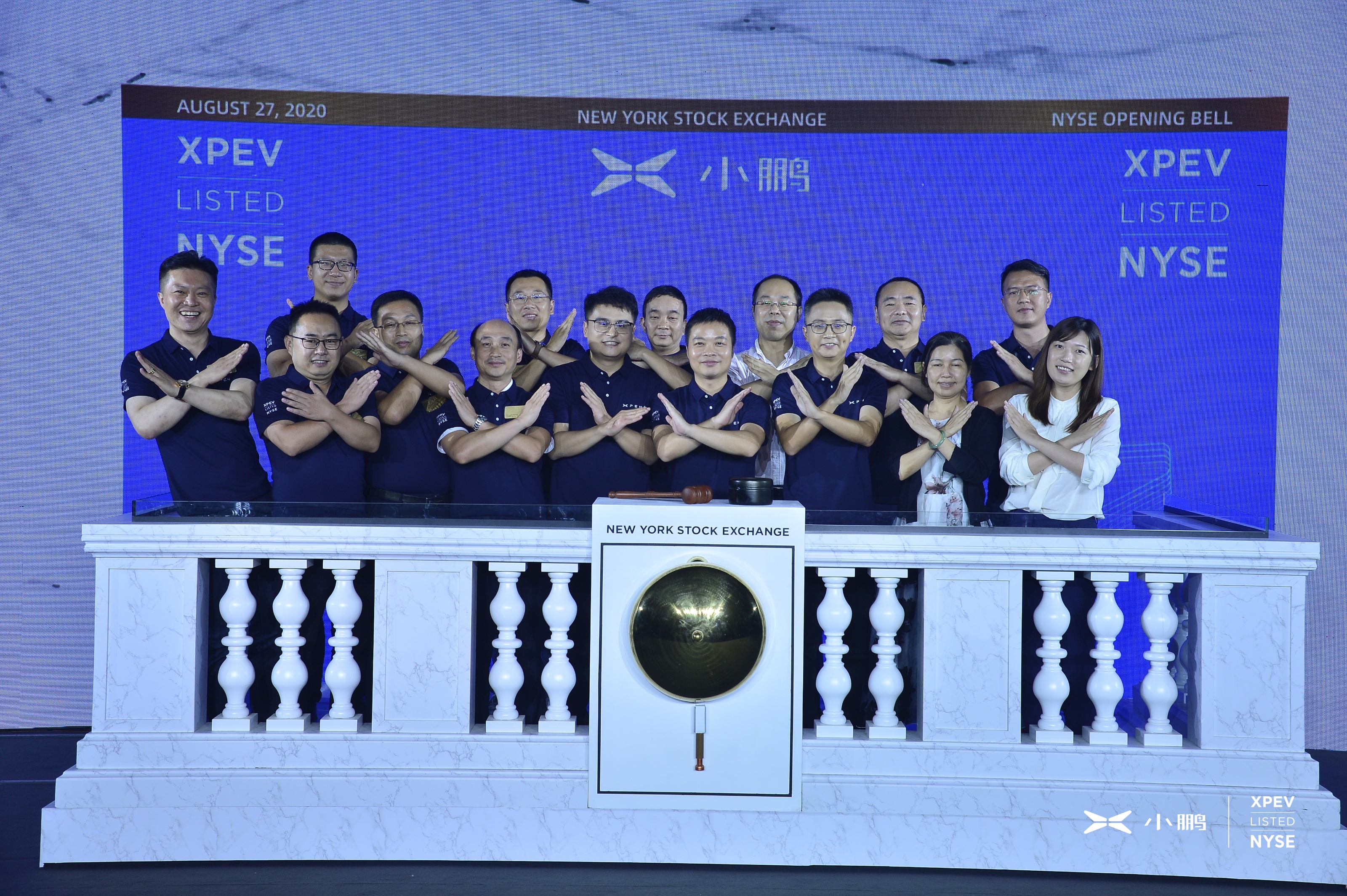
August 27, 2020, New York/Guangzhou — XPeng Inc. (“XPeng” or the “Company”), a leading Chinese smart electric vehicle (“Smart EV”) company, started trading of its ADSs today at New York Stock Exchange (“NYSE”) under the symbol “XPEV”.
Centurium Capital RMB Fund I invested in Xpeng in 2017 and held around 3.5% of stake prior to the IPO.
The company priced its IPO of 99,733,334 American Depositary Shares (“ADSs”), each representing two Class A ordinary shares of the Company, at a public offering price of $15.00 per ADS. In addition, XPeng has granted the underwriters a 30-day option to purchase up to an aggregate of 14,959,999 additional ADSs.
The gross proceeds from the offering, before deducting underwriting discounts and commissions and other offering expenses payable by XPeng, will be approximately $1.5 billion, excluding any exercise of the underwriters’ option to purchase additional ADSs.
The offering is expected to close on August 31, 2020, subject to customary closing conditions.
XPeng Inc. is a leading Chinese smart electric vehicle company that designs, develops, manufactures, and markets Smart EVs that appeal to the large and growing base of technology-savvy middle-class consumers in China. Its mission is to drive Smart EV transformation with technology and data, shaping the mobility experience of the future.
In order to optimize its customers’ mobility experience, XPeng develops in-house its full-stack autonomous driving technology and in-car intelligent operating system, as well as core vehicle systems including powertrain and the electrification/electronic architecture.
XPeng is headquartered in Guangzhou, China with offices in Beijing, Shanghai, Silicon Valley, and San Diego in the U.S. and the Company’s Smart EVs are manufactured at plants in Zhaoqing and Zhengzhou. For more information, please visit https://en.xiaopeng.com.
Suzhou LASO Biotech is the first company in China for the proprietary development, production, and commercialization of microarray technology platform, providing an integrated solution including chips (customizable), the OmniScan device, reagents, softwares and algorithms.
As of now, Laso Biotech has obtained 13 invention patents, 5 utility model patents, 3 design patents, and 1 medical device registration certificate, making it the company with the most comprehensive intellectual property portfolio and independently controllable core technologies for microarray under Chinese law.
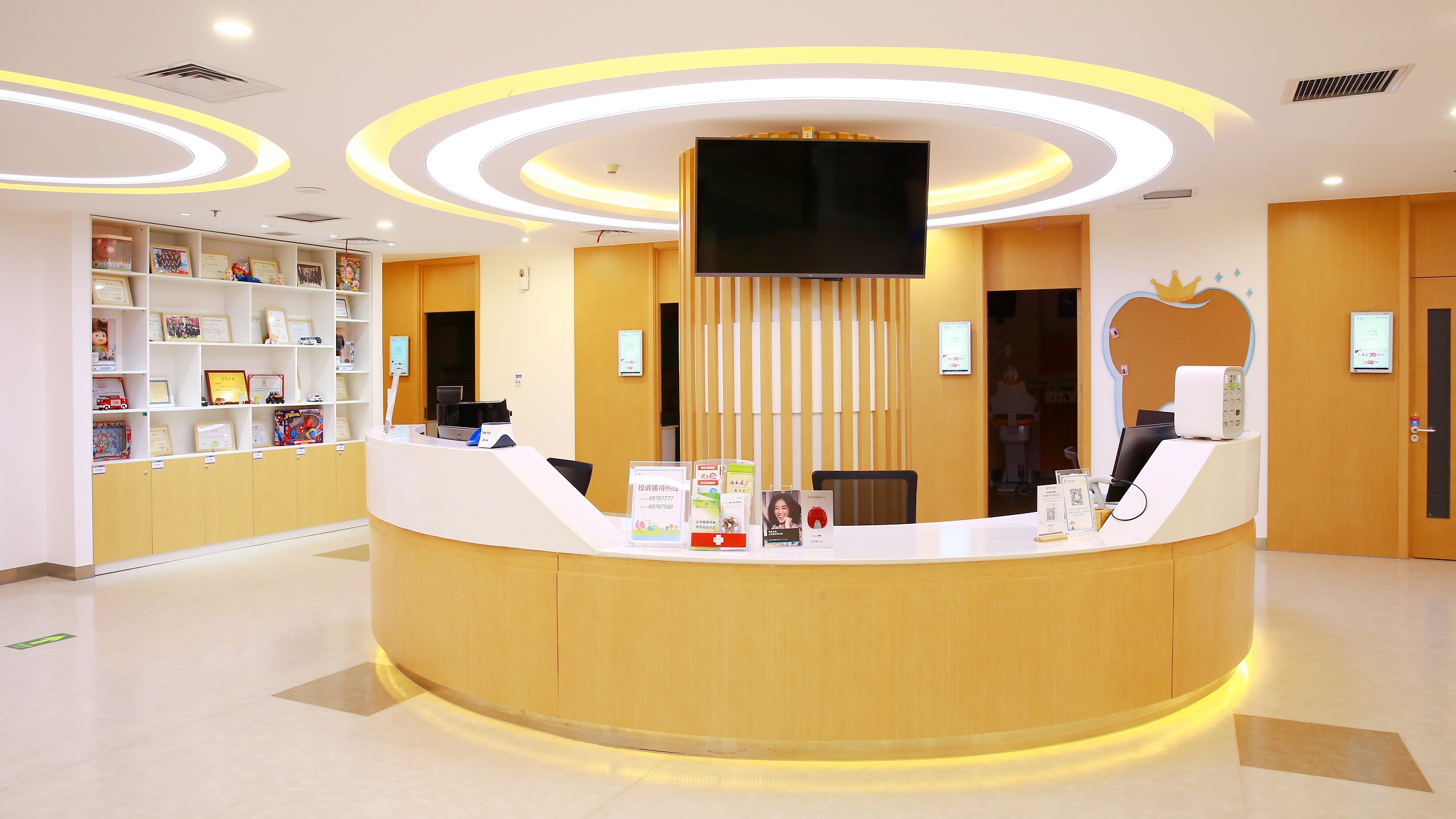
August 12, 2020, Beijing – Centurium Capital (“Centurium”), a leading private equity investment firm in China, announced today that it has acquired a controlling stake in Beijing Jingdu Children’s Hospital (“Jingdu”). Located in Changping District in northern Beijing, Jingdu is the largest private children’s hospital in China and the only private tertiary children’s hospital in Beijing.
Launched in June 2015 and located on a 40,000 square meter premises, Jingdu has 36 specialized departments, including an emergency center, and is a recognized leader in children’s hematology, cardiology, dermatology, and stomatology. Jingdu officially became a designated medical institution for Beijing Medical Insurance Plan in 2017.
In July 2020, Jingdu was awarded the Joint Commission International (JCI) accreditation with top marks, becoming the first children’s specialty hospital in China to pass the JCI review via online virtual inspection and evaluation. The JCI accreditation is recognized as a global leader for health care quality and patient safety.
Zhixing Chen, Executive Director of Centurium Capital, commented, “As the largest private tertiary children’s hospital in China, Jingdu has become a leading children’s specialty health services platform, and it has accumulated extensive medical resources and service capabilities. We highly value Jingdu’s brand and professionalism, and firmly believe Jingdu will further solidify its leadership in the industry through continued investment in its medical team and service quality.”
Healthcare is one of the key investment sectors for Centurium. Previously, Centurium has made investments in two other hospitals in China, namely the UIB Group and Beijing Arion Cancer Hospital. Headquartered in Shanghai, UIB Group is a top-tier children and women’s medical services group with a children’s hospital, an obstetrics and gynecology (OBGYN) hospital, and a postpartum center. Arion Cancer Hospital is currently under construction and expected to open by the end of 2020.
Strategically located in the densely-populated Huilongguan-Tiantongyuan area of the Changping District, Jingdu is the only children’s hospital in the district. Driven by its premium medical facilities and services, it treats nearly 300,000 outpatients and 8,000 inpatients a year.
Thanks to its track-record of professionalism and leading research contributions, Jingdu has demonstrated strong business resilience and steady growth despite the impact of Covid-19 pandemic.
We are committed to supporting our portfolio companies to build a robust and transparent corporate governance structure and responsible management system. On 30 July, 2020, we requisitioned Luckin Coffee Inc. (the “Company”) to convene an extraordinary general meeting of members (the “EGM”).
An EGM of the Company was held on 5 July 2020 (the “5 July EGM”), requisitioned by Haode Investment Inc (“Haode”), a company controlled at the time by the former chairman of the Board of Directors of the Company (the “Board”). The timing of the 5 July EGM, the subsequent liquidation process of Haode, and the resolutions proposed by Haode in the 5 July EGM, caused concerns over the independence of the directors nominated by Haode and elected in the 5 July EGM.
It is important that there be no doubt as to the bona fides and ability to exercise independent judgment of any board member in order for the Company to be able to properly function and for the directors to fulfill their fiduciary duties.
Mr Sean Shao had been an independent director and chair of the audit committee of the Company since May 2019, and the chair of the special committee of the Board (the “Special Committee”) since March 2020. In his capacity as the chair of the Special Committee, he led the independent investigation of the Company. He was removed from the Board in the 5 July EGM. His reinstatement will allow for the Board to fully implement the remedial measures as recommended by the Special Committee, and to further facilitate any process related thereto.
The proposed resolutions are necessary actions in order that the Company’s Board can be properly constituted.
China-focused Centurium Capital has enjoyed a productive 12 months, closing its debut US dollar fund, deploying most of the capital, and securing an early liquidity event.
Pictured: Michael Chen, a partner at Centurium Capital, accepts the Firm of the Year – Mid Cap award
This story was authorized by Asia Venture Capital Journal (AVCJ) to run on the corporate website of Centurium Capital. Please click here for the original piece published by AVCJ on January 30, 2020.
By Tim Burroughs
For much of the past decade, China Biologic Products benefited from strong industry tailwinds. It was operating in a seller’s market – underpenetrated, undersupplied, and with little need to offer a differentiated message to a stable client base. Those supply-demand dynamics have changed. There is more competition, but the company doesn’t have the skillsets to carve out an edge through better sales and marketing or operational efficiencies that can ease pressure on the bottom line.
Making the necessary operational refinements isn’t easy in the full glare of the public markets. In August 2018, a consortium of private equity investors made a substantial commitment to in terms of capital and reform. Four months ago, the same investors launched a take-private bid. The include Centurium Capital, a PE firm established by David Li, who backed China Biologic during the expansion period with Warburg Pincus and now promises a very different type of solution.
China Biologic isn’t unique within the Centurium portfolio. The firm closed its debut US dollar-denominated fund at just over $2 billion in mid-2019 and has since committed 80% of the capital to seven companies, with two more deals pending announcement. More than half the corpus has been deployed in control transactions involving traditional businesses that recognize the need for a meaningful response to a rapidly evolving commercial environment.
“Chinese companies have been used to easy growth, with high tides raising all boats. They haven’t been through down cycles,” says Li. “Now with a slowing market and increasing competition from new models and technologies, they are faced with challenges they haven’t dealt with before, and they are looking for solutions and advice. Often this involves restructuring management and systems, so they can run more efficiently, and continue to grow the bottom line.”
Turning points
Transformation sits at the heart of Centurium’s strategy, but it is applied in different forms and contexts. Li estimates the split is 60-40 between efficiency-driven turnarounds of traditional businesses and growth plays for nascent companies with technology-enabled solutions that can disrupt traditional consumption patterns. However, there is plentiful middle ground. Equally, Centurium might find itself dealing with complexities that arise from convoluted capital structures or management teams and systems that can no longer sustain expansion.
Luckin Coffee is the firm’s best-known investment, having risen from nothing to become China’s second-largest coffee shop chain within the space of two years. Its IPO in May 2019 represented Centurium’s first liquidity event. The Centurium team was involved in the development of Luckin’s business model – its founder was previously COO of CAR and Ucar, both companies that Li backed while at Warburg Pincus – which is said to rely heavily on technology to deliver supply chain efficiencies and customer insights.
Some of the other investments are not so different in terms of mode of engagement. Centurium spent two years working with eyewear brand Loho before committing any capital. Since then, the company has expanded from fewer than 400 stores to nearly 700, but the key changes were in supply chain management: reducing the time taken for a new design to go from conception to launch, which means the company responds to demand trends faster and takes less inventory risk.
Brains trust
At one point, the private equity firm advised Loho to slow the pace of new store openings to allow for proper assessment of store unit economics. Maximizing supply chain efficiency has implications for store location, size and operating structure – Loho shifted from a directly-owned to a franchise model – the interaction between online and offline channels, and human resources. Centurium would provide feedback through daily interactions with senior management.
“We are very operational and strategic centric, but we don’t run an outsourced consulting model, which some of the global PE firms have tried to do in China and not with much success,” says Li. “Our deals often involve significant operational transformation, so we need strong leadership – people who have a lot of credibility and authority and who approach things with an owner mentality. Once we put the right systems in place, we can recruit from outside or promote from within and have people run the business.”
Centurium’s strategy lends itself to a concentrated portfolio. There are likely to be no more than a dozen companies in Fund I, with check sizes of around $300 million for control transactions and $80-100 million for deals in which it takes a significant minority interest. The firm has a team of approximately 20 investment professionals, including an in-house operations function.
This represents a relatively rapid built-out for a firm that is barely three years old and spent its formative period deploying renminbi funds before launching a US dollar vehicle in 2018. Asked to identify the major challenges in setting up a new GP, Li highlights the need to combine global best practices with local insights and experience in order to provide bespoke solutions to Chinese companies.
“This requires us building an institution that is differentiated in terms of culture, process and structure, which is an exciting exercise,” he explains.
Founded in 2011, Meican is China’s largest group catering solutions provider. The Company offers comprehensive catering solutions to corporate clients and their employees, including both on-premise and off-premise catering and SaaS solutions. It also offers SaaS solutions to traditional group dining players, including digital ordering, integrated payment processing, catering operation, corporate fee control, as well as reporting & analytics.



 京公网安备 11010502038287号